The Science of Tooth Enamel Remineralisation: A Bio-Regenerative Approach

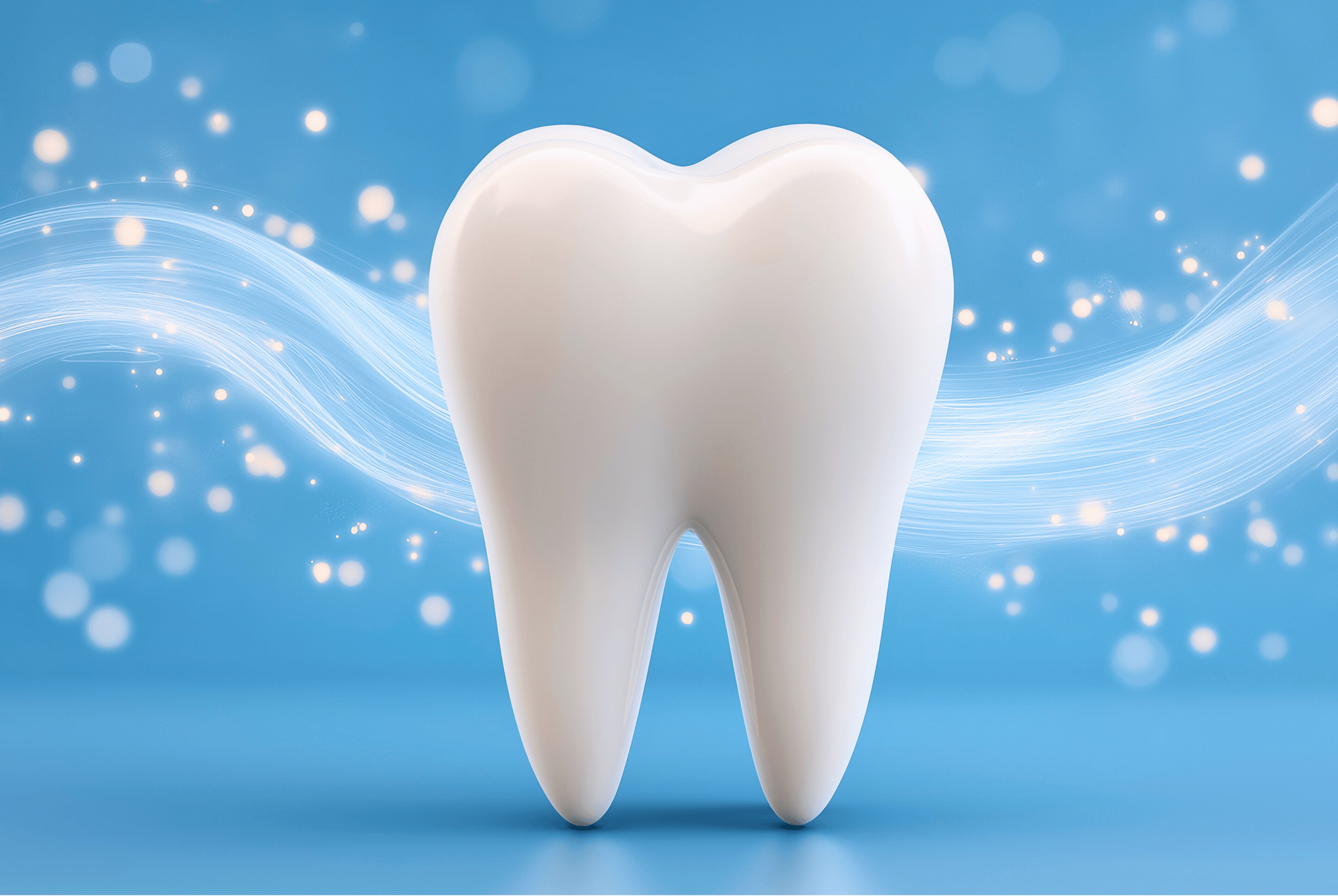
The Science of Tooth Enamel Remineralisation: A Bio-Regenerative Approach Regenerative Dentistry Tooth enamel is the hardest tissue in the human body, yet once damaged, it cannot regenerate on its own. Modern lifestyles expose enamel to repeated acid challenges from diet, stress-driven changes in saliva chemistry, and environmental factors, leading to progressive surface weakening. Advances in biomineral science now make it possible to actively support enamel repair by replenishing lost minerals and strengthening the tooth surface at a microscopic level. Advances in biomineral science now make it possible to actively support enamel repair by replenishing lost minerals and strengthening the tooth surface at a microscopic level. 1) How Enamel Remineralisation Works Tooth enamel is composed primarily of calcium and phosphate minerals arranged in a highly organised crystal structure. When the mouth becomes acidic, these minerals are drawn out of the enamel surface in a process known as demineralisation. Acidic foods and drinks accelerate mineral loss Frequent snacking limits the mouth’s ability to recover Reduced saliva flow impairs natural buffering capacity Ongoing mineral loss increases sensitivity and decay risk Remineralisation is the natural counter-process. When oral conditions are balanced and bioavailable minerals are present, enamel can regain hardness and resistance to future acid exposure. 2) The Role of Bio-Regenerative Oral Care Conventional enamel protection strategies have focused primarily on fluoride. While fluoride remains effective, many patients now seek solutions that are biocompatible, low-toxicity, and aligned with regenerative health principles.Bio-regenerative oral care supports the body’s own repair mechanisms rather than overriding them, working in harmony with saliva chemistry and natural mineral exchange. This is why Levitas Dental Clinic partners with Natch Labs, a leader in biomineral-focused oral care formulations designed to support enamel repair through clean, science-led ingredients. 3) Science That Supports Real-World Results Natch Labs has invested in independent laboratory testing using internationally recognised enamel remineralisation models. These studies simulate real-life conditions through controlled cycles of acid exposure followed by mineral recovery phases. Demonstrated measurable support for enamel repair Improved surface integrity under repeated acid challenge Clinically relevant outcomes aligned with preventive care These findings mirror what we observe clinically, reinforcing the value of biomineral-based oral care in long-term enamel protection. 4) What This Means for Our Patients Stronger enamel and improved surface resilience Support for reversing early enamel lesions Reduced sensitivity and improved comfort A natural, performance-driven alternative aligned with regenerative dentistry A home-care routine that complements Guided Biofilm Therapy (GBT) 5) Available at Levitas Dental Clinic The full Natch Labs oral care range is now available at Levitas Dental Clinic. Our clinicians can advise on the most suitable formulation based on enamel health, sensitivity, and individual care routines.For patients seeking a regenerative, clinically aligned, and natural approach to oral health, these products offer a powerful bridge between daily hygiene and long-term enamel protection. References Independent laboratory remineralisation testing commissioned by Natch Labs using standardised enamel pH-cycling models. Therametric Technologies, Inc. Dental Product Testing Division. In Vitro Enamel Remineralization Study (22-415). Featherstone JDB. Journal of Dental Research. ten Cate JM. Acta Odontologica Scandinavica. Shellis RP et al. Caries Research.
Testosterone Replacement Therapy and Dementia Protection: Sharper Thinking. Better Memory. Stronger Mind.

The Science of Tooth Enamel Remineralisation: A Bio-Regenerative Approach Testosterone plays a far greater role in brain health than once understood. Low levels—particularly low free testosterone—are consistently associated with higher amyloid burden, faster cognitive decline, and increased dementia risk. In men with confirmed deficiency, physiological testosterone replacement (TRT) has shown modest yet meaningful improvements in memory, processing speed, and mood. While not a cure for Alzheimer’s disease, restoring hormonal balance appears to support cognitive resilience through multiple mechanisms including mitochondrial efficiency, synaptic function, and vascular health. This overview examines emerging evidence linking testosterone to neuroprotection, outlining biological mechanisms, clinical findings, and practical insights for clinicians integrating TRT within a longevity-focused model of care. 1. Testosterone and the Ageing Brain Traditionally viewed as a driver of muscle mass and libido, testosterone is now recognised as a vital neuromodulator. It influences neuronal energy metabolism, neurotransmission, and vascular tone—key systems that deteriorate with age. Declining testosterone contributes not only to reduced motivation and physical stamina but also to slower recall, mental fog, and mood instability. In ageing men, free testosterone is a more accurate indicator of cognitive status than total testosterone. Studies consistently show that lower free testosterone correlates with poorer memory and higher amyloid accumulation in the brain. 2. Linking Hormone Deficiency to Dementia Risk Alzheimer’s disease remains the most prevalent cause of dementia worldwide. Beyond genetic predisposition, androgen decline is emerging as an independent risk factor. Men undergoing androgen deprivation therapy (ADT) for prostate cancer have demonstrated significantly higher rates of dementia—particularly after extended treatment durations. This suggests that testosterone may play a protective role in neural maintenance, influencing both disease risk and progression. 3. How Testosterone Protects the Brain Reducing amyloid formation Testosterone downregulates BACE1, the enzyme that drives amyloid-beta accumulation, and promotes microglial clearance of existing deposits. Enhancing mitochondrial efficiency It improves neuronal energy production and stabilises synaptic connections, preserving learning and memory pathways. Supporting vascular and metabolic health Through activation of eNOS and SIRT1, testosterone reduces oxidative stress, improves blood flow, and enhances insulin sensitivity—addressing the “type 3 diabetes” mechanism in Alzheimer’s disease. Regulating neurotransmission Metabolites including DHT and 3α-diol modulate NMDA and GABA signalling, maintaining the neural balance crucial for focus, attention, and emotional stability. 4. Evidence from Clinical Studies Around two-thirds of large cohort studies show that long-term ADT increases dementia risk. Conversely, several randomised controlled trials in hypogonadal or mildly cognitively impaired men report improvements in verbal memory, executive function, and mood following TRT. Benefits are most significant when correcting deficiency—not elevating testosterone beyond physiological levels. Among available options, long-acting injectables often deliver the most stable hormonal balance and cognitive outcomes. 5. Clinical Practice Insights Effective hormone restoration for brain health requires precision, monitoring, and careful individualisation. Assessment Confirm biochemical deficiency via two morning free testosterone tests Include SHBG, estradiol, LH/FSH, IGF-1, and metabolic markers Dosing Target mid-range physiological free testosterone Avoid rapid peaks or troughs to maintain neuroprotective stability Monitoring Repeat labs regularly Use cognitive screening (MoCA), mood tracking, sleep review Monitor haematocrit and metabolic parameters Metabolite Balance Monitor estradiol & DHT—too high or too low may reduce benefits Lifestyle Synergy Exercise, restorative sleep, glycaemic stability Nutrients: omega-3s, thiamine, magnesium, vitamin D Special Consideration for ADT Patients Higher risk of cognitive decline Require proactive monitoring and neuroprotective strategies 6. Clinical Perspective Low testosterone is a reversible factor in cognitive ageing. When addressed early, physiological TRT can help preserve cognitive performance, emotional regulation, and overall vitality. The aim is not enhancement but restoration—supporting the brain’s ability to maintain metabolic balance, structural integrity, and resilience with age. Conclusion Testosterone is not merely a marker of vitality but a determinant of neural health. Through its effects on energy production, vascular function, amyloid clearance, and neurotransmission, it shapes how the brain ages and adapts.In well-selected patients, restoring physiological testosterone levels can strengthen cognitive resilience, enhance quality of life, and support healthy longevity. The emerging view is clear: Protecting the brain may begin with restoring hormonal balance. Key References Bianchi VE. Impact of Testosterone on Alzheimer’s Disease. J Endocr Soc. 2022 Lv W et al. Low Testosterone and AD Risk in Elderly Men. Mol Neurobiol. 2016 Lee JH et al. Free Testosterone vs Amyloid & Neurodegeneration. Neurobiol Aging. 2017 Jayadevappa R et al. ADT and Dementia Risk. JAMA Netw Open. 2019 Nead KT et al. ADT and Future AD Risk. J Clin Oncol. 2016 Wahjoepramono EJ et al. TRT & Cognitive Function in Older Men. CNS Neurol Disord Drug Targets. 2016 Tan RS, Pu SJ. TRT in Hypogonadal Men with AD – Cognitive Measures. Aging Male. 2003 Grimm A et al. Neurosteroids Rescue Bioenergetic Deficits. Cell Mol Life Sci. 2016 Ghanim H et al. TRT Restores AR/ER/Aromatase in Diabetics. Eur J Endocrinol. 2018 Jayaraman A et al. SARM (RAD140) Neuroprotection. Endocrinology. 2014
Levitas Hormones for Life: How TRT Helps Reduce Arthritis

Levitas Hormones for Life: How TRT Helps Reduce Arthritis Hormone Science A New Perspective on Testosterone and Joint Health Arthritis is often seen purely as a wear-and-tear or inflammatory condition. However, growing evidence shows that hormones, particularly testosterone, play an important role in managing inflammation, pain, and tissue repair. In men, testosterone levels naturally decline with age and can fall further with chronic illness. When levels drop too low, this may contribute to increased joint pain, slower recovery, and reduced support from surrounding muscles. Research suggests that testosterone replacement therapy (TRT), when used appropriately, may help reduce inflammation, improve muscle strength around joints, and support mobility and overall quality of life—especially in men with confirmed low testosterone. 1) How Testosterone Influences Inflammation Testosterone has several anti-inflammatory effects in the body: Reduces pro-inflammatory markers such as TNF-α, IL-1β, and IL-6 Helps regulate immune activity, preventing excessive inflammatory responses Improves blood flow through nitric oxide production, supporting tissue nutrition and repair Supports muscle and tendon health, helping stabilise joints and reduce strain Studies in men with low testosterone show that restoring levels to a normal range can lower CRP and other inflammation markers, suggesting a wider benefit beyond hormone balance alone. 2) What We Know from Rheumatoid Arthritis Studies Although research is still limited, early findings are encouraging: Men with rheumatoid arthritis who received testosterone injections reported improvements in pain, stiffness, and disease activity compared to placebo Low testosterone levels have been linked to a higher risk of developing RA Reduced joint tenderness and morning stiffness have been observed alongside improved hormone balance TRT is not a replacement for standard RA treatments, but in men with true hypogonadism, it may provide additional support alongside conventional care. 3) Osteoarthritis: What Patients Actually Notice Genetic studies suggest that higher testosterone levels may not directly change osteoarthritis progression. However, this doesn’t tell the whole story. In real-world settings, TRT can still make a meaningful difference by: Improving muscle strength around joints Supporting circulation and cartilage nutrition Reducing systemic inflammation and pain sensitivity Many men on well-managed TRT report less morning stiffness, better exercise tolerance, and improved ability to build muscle that protects vulnerable joints. These functional improvements matter, even if joint structure remains unchanged. 4) Practical Clinical Points Always confirm low testosterone with blood tests before starting treatment TRT may help with inflammation, fatigue, and joint discomfort when used appropriately Monitor progress using inflammation markers (CRP, ESR), pain scores, and mobility Best results come from a wider approach, including adequate vitamin D, magnesium, omega-3s, and anti-inflammatory nutrition 5) The Levitas View At Levitas Hormones for Life, we see hormones as part of an interconnected system, not isolated signals. Testosterone affects far more than energy or muscle mass; it plays a role in immune balance, bone health, and connective tissue repair. When prescribed carefully and monitored properly, TRT can support recovery, reduce inflammatory burden, and help men age with greater resilience and vitality.
Testosterone Restoration Therapy and Autoimmune Disease: A Summary of Current Evidence and Clinical Integration

Testosterone Restoration Therapy and Autoimmune Disease: A Summary of Current Evidence and Clinical Integration Abstract This paper summarises current scientific evidence regarding the relationship between testosterone and autoimmune regulation, exploring its anti-inflammatory and immunomodulatory properties. It reviews the potential role of Testosterone Restoration Therapy (TRT) as an adjunctive intervention for autoimmune conditions and outlines how Levitas Clinics applies this knowledge in clinical practice. This document does not present original research but compiles existing peer-reviewed data to inform clinicians through Levitas Academy’s education and training programs. 1. Introduction Autoimmune diseases such as rheumatoid arthritis, systemic lupus erythematosus, and inflammatory bowel disease reflect complex immune dysregulation where the body’s defence mechanisms mistakenly target self-tissues. Multiple epidemiological studies show that these conditions are more prevalent in females than males, suggesting a hormonal component in immune tolerance. Testosterone has been shown to exert a protective and regulatory effect on the immune system. Understanding its influence offers clinicians an opportunity to integrate hormonal assessment and restoration into broader autoimmune management strategies. Remineralisation is the natural counter-process. When oral conditions are balanced and bioavailable minerals are present, enamel can regain hardness and resistance to future acid exposure. 2. Testosterone and Immune Regulation 2.1 Mechanisms of Action Existing research indicates that testosterone contributes to immune balance through several pathways: Existing research indicates that testosterone contributes to immune balance through several pathways: 3. Clinical Implications of Low Testosterone Low testosterone (hypogonadism) has been associated with increased inflammatory markers, higher autoimmune risk, and worse symptom severity in several studies. Patients with low testosterone commonly show elevated CRP and cytokine levels, increased fatigue, and greater susceptibility to immune-related disorders. While testosterone deficiency is not a direct cause of autoimmunity, evidence suggests it can exacerbate inflammatory activity and reduce tissue recovery potential. 4. The Potential Role of Testosterone Restoration Therapy (TRT) 4.1 Therapeutic Overview Testosterone Restoration Therapy aims to re-establish physiological hormone levels. Clinical observations suggest that TRT may: Lower systemic inflammation and CRP Improve energy, mood, and musculoskeletal strength Support immune balance and recovery in autoimmune conditions such as rheumatoid arthritis and Crohn’s disease While encouraging, these findings are preliminary. Current consensus supports TRT as an adjunctive therapy, used alongside conventional autoimmune treatments under medical supervision. 5. Levitas Clinics: Translating Evidence into Practice At Levitas Clinics, insights from global research are translated into clinical protocols for patients with overlapping hormonal and immune issues. Our evidence-informed model includes: Comprehensive evaluation: Hormone, immune, and metabolic testing. Individualised therapy: Tailored TRT dosing and delivery methods. Collaborative care: Coordination with rheumatology and immunology specialists. Ongoing monitoring: Tracking hormone response, inflammatory markers, and disease stability. Holistic integration: Nutrition, stress, sleep optimisation. This approach does not replace disease-specific medication but enhances resilience and overall health outcomes. 6. Clinical Summary Testosterone exerts anti-inflammatory and immunomodulatory effects. Low testosterone may worsen autoimmune symptoms. TRT may provide supportive benefits as part of integrated care. Levitas Clinics applies hormonal restoration within personalised autoimmune pathways. More controlled trials are needed. 7. Educational Context This paper serves as an educational summary for healthcare professionals participating in Levitas Academy programs. It is intended to foster informed discussion and evidence-based decision-making regarding the integration of hormonal restoration in autoimmune care. 8. Key References Bianchi, V. E. (2019). The Anti-Inflammatory Effects of Testosterone. Journal of Endocrinological Investigation. Trigunaite, A. et al. (2015). Suppressive Effects of Androgens on the Immune System. Frontiers in Immunology. Cutolo, M. et al. (2018). Testosterone and Autoimmunity. Autoimmunity Reviews. Malkin, C. J. et al. (2004). Low Serum Testosterone & Inflammatory Cytokines. Clinical Endocrinology. Kicman, A. T. (2020). Pharmacology of Testosterone Replacement. Therapeutic Advances in Endocrinology.
Levitas Hormones for Life: How Testosterone Therapy Builds Muscle, Metabolism, and Longevity

Levitas Hormones for Life: How Testosterone Therapy Builds Muscle, Metabolism, and Longevity Hormone Science Testosterone isn’t just a reproductive hormone — it’s a foundational health hormone. It influences muscle, fat distribution, cardiometabolic health, mood, cognition, and long-term vitality. Clinically-guided TRT can restore muscle mass, improve metabolic flexibility, support mood and energy, and slow functional aging — when delivered safely and individually. 1) Why Testosterone Declines Men lose ~1% testosterone per year after age 30. This accelerates with: Stress, poor sleep, weight gain Environmental endocrine disruptors Insulin resistance Chronic inflammation 2) Muscle and Strength Benefits Normal testosterone levels: Increase protein synthesis Preserve type II muscle fibers Improve strength & physical performance Reduce sarcopenia risk Men on TRT gain 3–5 kg lean mass over 12–18 months with training support. 3) Metabolic Health Low testosterone is linked with: Increased visceral fat Insulin resistance Higher risk of T2 diabetes Elevated cardiovascular risk TRT improves glucose control, lowers fat mass, and increases metabolic rate. 4) Longevity & Vitality Studies show that men with optimal testosterone: Have fewer cardiovascular events Maintain better bone density Show less cognitive and functional decline Live longer, healthier lives 5) The Levitas Approach Not just replacing testosterone — restoring balance. Deep symptom assessment Advanced hormone + metabolic labs Fertility-preserving protocols DXA, body composition, & biological age tracking Full cardiometabolic safety monitoring We treat hormones, metabolism, and longevity as one system — because they are. 6) Who’s a Candidate? Men with BOTH: Symptoms (fatigue, low strength, low libido, poor recovery) Biochemically low testosterone (confirmed twice) 7) What to Expect from TRT Within 3–12 months: Higher energy + motivation Better strength and muscle tone Improved metabolic markers Reduced visceral fat Sharper cognitive function Safety First Hematocrit monitoring PSA & prostate surveillance Regular labs & clinical review Levitas Clinics delivers medical TRT with elite monitoring — the opposite of gym-based or “online-only” testosterone. Hematocrit monitoring PSA & prostate surveillance Regular labs & clinical review Key References Snyder PJ et al. Testosterone Trials. NEJM. 2016. Grossmann M. Testosterone and cardiometabolic health. J Clin Endocrinol Metab. 2018. Bhasin S. Testosterone Therapy in Men with Hypogonadism. JAMA. 2018. Saad F et al. Long-term testosterone therapy and mortality. World J Mens Health. 2020.
Testosterone and link to muscle mass

Testosterone and link to muscle mass Levitas Academy R&D Reflections on Testosterone Therapy, Muscle Protein Synthesis, and Longevity Testosterone is a powerful anabolic hormone that boosts lean body mass, improves strength, and supports metabolic health. 1) Scientific Evidence Clinical trials show that testosterone therapy increases lean body mass in older men. In a long-term (3-year) randomized trial, testosterone-treated men saw greater muscle power and lean mass gains compared to placebo 2) Mechanisms of Action Testosterone binds to androgen receptors in muscle, promoting protein synthesis. It also activates satellite cells, facilitating muscle repair and growth. By reducing fat mass, testosterone improves insulin sensitivity and metabolic rate. Key Insight: Testosterone therapy is most effective for building muscle when combined with resistance training and lifestyle support. 3) Clinical Evidence & Safety A meta-analysis finds that strength gains from TRT are moderate but consistent in men with low or low-normal testosterone. :contentReference Free testosterone (unbound) is often a better predictor of muscle strength and function than total testosterone, especially in older adults 4) Metabolic & Functional Benefits Testosterone therapy has been shown to increase lean mass while reducing fat in men undergoing lifestyle interventions. It also improves basal lipid oxidation, helping shift metabolism toward fat burning. 5) Considerations for Therapy Not a standalone “muscle builder” — works best with resistance training. Requires baseline and ongoing monitoring: hematocrit, prostate markers, hormone levels. May not be suitable for all — careful selection and risk-benefit analysis is essential. Levitas Approach: We personalise testosterone therapy with deep lab panels, strength training integration, and metabolic monitoring. Key References Snyder PJ, et al. Effects of testosterone on muscle performance & body composition. Lee TW, et al. Meta-analysis: TRT and strength in older men Viola V, et al. Gene expression changes in muscle with testosterone + lifestyle therapy. Basaria S, et al. Testosterone increases lean mass & lipid oxidation.
Testosterone & Bone Health

Testosterone & Bone Health 1) Evidence Summary Low testosterone reduces bone density (BMD) and increases fracture risk as men age. Testosterone converts to estradiol (E2), which helps maintain bone by reducing resorption. TRT can increase spine BMD by ~3–4% over 12–24 months in hypogonadal men; hip gains are smaller. No clear evidence that TRT prevents fractures. Muscle strength and falls remain key factors. 2) When TRT is Appropriate Use TRT for symptomatic, biochemically low testosterone, not as a sole treatment for osteoporosis. Eligible men typically have: Confirmed low morning testosterone (twice tested; check free T if SHBG abnormal), Plus osteopenia/osteoporosis, sarcopenia, or other hypogonadal features. 3) Levitas Clinics Pathway Assessment: Symptoms, falls history, labs (TT, SHBG, cFT, LH/FSH, prolactin, PSA, FBC, CMP, lipids, HbA1c, TSH, 25(OH)D), DXA, and FRAX. Treatment: TRT: gel, short-acting IM, or long-acting TU targeting mid-normal physiological range. Bone stack: vitamin D, calcium, protein, resistance/balance training, and bone medications if indicated. Monitoring: 6–8 weeks after starting, then 3–6 monthly in year 1; review testosterone, haematocrit, PSA, BP, weight; DXA at 12–24 months. 4) Safety and Contraindications Risks: erythrocytosis, prostate effects, OSA worsening, fluid retention. Avoid in prostate/breast cancer, haematocrit >54%, uncontrolled heart failure, or severe OSA. 5) Expected Outcomes TRT improves symptoms and increases spine BMD when testosterone is low. TRT alone has not been proven to reduce fractures—optimal results come with combined nutrition, exercise, and bone-specific therapy. Levitas Clinics provides: expert LOH assessment, tailored TRT regimens, integrated bone optimisation, and continuous safety monitoring. Key References Shigehara K, Izumi K, Kadono Y, Mizokami A. Testosterone and Bone Health in Men: A Narrative Review. Int J Mol Sci. 2021;22(3):1680. PMCID: PMC7867125. Isidori AM, Giannetta E, et al. Effects of testosterone on body composition and bone metabolism in middle-aged men: A meta-analysis. Clin Endocrinol (Oxf). 2005;63(3):280–293. Snyder PJ et al. Effects of Testosterone Treatment in Older Men. N Engl J Med. 2016;374(7):611–624. Fink HA et al. Association of testosterone and estradiol deficiency with osteoporosis and bone loss in older men. J Clin Endocrinol Metab. 2006;91(10):3908–3915. Tracz MJ et al. Testosterone use and its effects on bone health: A systematic review and meta-analysis. J Clin Endocrinol Metab. 2006;91(6):2011–2016.
Preserving Fertility During TRT: Evidence-Based Options for Men

Preserving Fertility During TRT: Evidence-Based Options for Men Preserving Fertility During Testosterone Therapy: Clinical Insights and Evidence-Based Strategies Testosterone Replacement Therapy (TRT) can be transformative for men experiencing hypogonadism or age-related hormonal decline. It restores energy, mood, libido, and focus. Yet, one essential concern often overlooked is fertility preservation. Exogenous testosterone suppresses the hypothalamic-pituitary-gonadal (HPG) axis, reducing luteinising hormone (LH) and follicle-stimulating hormone (FSH)—the two hormones vital for testicular function and sperm production. Without intervention, long-term TRT can lead to testicular shrinkage and even infertility. At Levitas Academy, our R&D programme focuses on testosterone restoration without reproductive compromise, integrating clinical precision with evidence-based fertility support. The Physiology: Why hCG Alone Is Insufficient Spermatogenesis relies on a delicate interplay between LH and FSH: LH – stimulates Leydig cells to produce testosterone within the testes. FSH – activates Sertoli cells to support sperm maturation. While human chorionic gonadotropin (hCG) mimics LH and sustains intratesticular testosterone, it cannot fully replace FSH’s role. Research from the University of Münster demonstrated that hCG alone maintains hormonal function but fails to sustain sperm output long term. Men who initially regained spermatogenesis with combined hCG + hMG therapy saw rapid declines once FSH support was withdrawn: After 6 months, sperm counts dropped to around 30% of their previous levels. At 12 months, only 40% remained. By 24 months, suppression persisted, with some cases of azoospermia. The evidence is clear: hCG maintains testosterone, but FSH drives sustained sperm production. Clinical Observations from the Levitas TRT Programme Within the Levitas Hormones for Life network, men typically fall into two fertility profiles: High baseline sperm count (75–100 million/mL) – may tolerate moderate hormonal suppression without significant fertility loss. Low or borderline sperm count – require combined gonadotropin therapy (hCG + FSH/hMG) to preserve sperm production. Each Levitas patient undergoes baseline semen analysis followed by repeat testing every 12–16 weeks, ensuring a personalised and responsive clinical pathway. Advanced Fertility-Preserving Protocols 1. TRT + hCG (Baseline Preservation) Goal: Maintain testicular function and partial spermatogenesis. Testosterone (100–150 mg/week or equivalent topical/oral) hCG (500–1,000 IU subcutaneously, 2–3× weekly) 2. TRT + hCG + FSH/hMG (Full Fertility Maintenance) Goal: Sustain or restore full spermatogenesis. hCG (1,000 IU subcutaneously, 2–3× weekly) hMG (75 IU FSH + 75 IU LH) or recombinant FSH (75 IU, 2–3× weekly) 3. Enclomiphene-Based Protocol (Pituitary Preservation) Goal: Preserve the body’s natural LH and FSH secretion. Enclomiphene citrate (12.5–25 mg daily, 5 days/week) Optional low-dose topical testosterone for symptomatic relief Monitoring and Ongoing Evaluation Parameter Baseline 8–12 Weeks 24 Weeks Target Testosterone ✓ ✓ ✓ 20–30 nmol/L LH & FSH ✓ ✓ ✓ Mid-range Estradiol ✓ ✓ ✓ <150 pmol/L Semen Analysis ✓ ✓ ✓ Sustained sperm output Adjunctive and Lifestyle Support Optimising fertility outcomes extends beyond pharmacology. Micronutrients: Zinc, selenium, vitamin D, and CoQ10. Lifestyle factors: Sleep optimisation, stress reduction, reduced heat exposure, avoiding alcohol and steroids. Aromatase management: Micro-dosed aromatase inhibitors when estradiol rises excessively. The Levitas Approach Levitas Clinics in London, Guildford, Esher, and Surrey lead the field in precision TRT—combining hormonal expertise with functional and regenerative medicine. Each programme is tailored to restore testosterone levels, vitality, and fertility simultaneously. The Levitas Academy R&D division pioneers fertility-conscious protocols, integrating enclomiphene-based pituitary restoration, gonadotropin support, and micronutrient optimisation. Key Takeaways hCG alone preserves testosterone but not full fertility. FSH and hMG are essential for sustained sperm production. Enclomiphene protocols maintain pituitary function and natural balance. Levitas Clinics specialise in fertility-preserving TRT. ✨ Explore personalised TRT and fertility management at Levitas Hormones for Life.
Testosterone Restoration, the Gut Microbiome, and Systems Outcomes in Men and Women

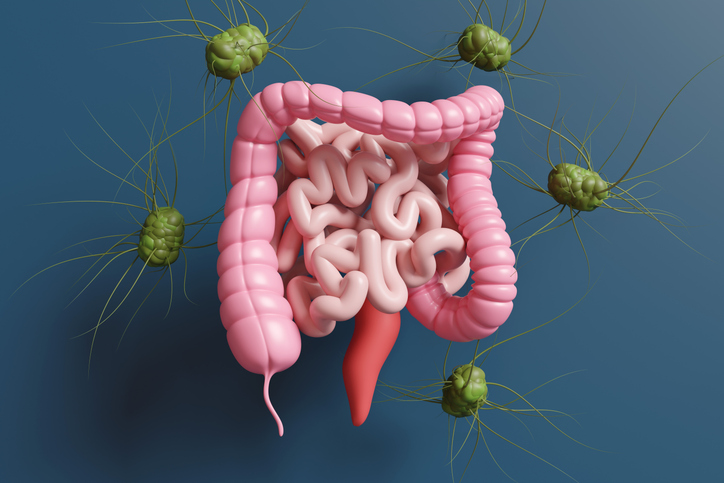
Testosterone Restoration, the Gut Microbiome, and Systems Outcomes in Men and Women Testosterone restoration therapy (TRT) is increasingly used in men and, when clinically indicated, in women. Emerging evidence shows bidirectional crosstalk between sex steroids and the gut microbiome, with implications for metabolic, neuropsychiatric, and inflammatory outcomes. This brief synthesises current data to guide clinicians on integrating gut assessment and modulation with TRT. sex hormones shape microbial composition and function, and microbes metabolise/steward steroid bioavailability; low testosterone states associate with dysbiosis and inflammatory taxa; sex-dimorphic microbiome–disease patterns extend to the gut–brain axis; and microbiota-directed adjuncts (e.g., probiotics/synbiotics) show early signals of benefit in hyperandrogenic states such as PCOS. 1) Physiological Background Sex steroids (testosterone, estradiol, progesterone) modulate immune tone, musculoskeletal anabolism, neurocognition, and cardio-metabolic risk across the lifespan… 2) Sexual Dimorphism & Disease Patterns Across preclinical and human data, sex differences in obesity and metabolic disease are partly explained… Gut–brain axis: Large cohort data show that associations between specific gut taxa and psychological symptom severity… 3) Low Testosterone & Dysbiosis Observational clinical data in men with type 2 diabetes demonstrate that low serum testosterone associates with reduced microbial diversity… 4) Women’s Health: Hyperandrogenism & Microbiota In PCOS, multiple systematic reviews/meta-analyses indicate probiotics/synbiotics can improve glycaemic indices… 5) Clinical Implications for TRT at Levitas Persistent fatigue, brain fog, visceral adiposity or glycaemic instability despite dose-appropriate TRT GI symptoms, recurrent antibiotics, PPI use Raised CRP, ferritin, ALT, or metabolic syndrome Integrated pathway (Levitas Gut Health × Hormone for Life): Baseline profiling, foundations, TRT initiation, gut-directed adjuncts, re-evaluation. Parameter Baseline 8–12 Weeks 24 Weeks Target Testosterone ✓ ✓ ✓ 20–30 nmol/L LH & FSH ✓ ✓ ✓ Mid-range E2 ✓ ✓ ✓ <150 pmol/L Microbiome ✓ Optional ✓ Diversity Maintained 6) Safety & Governance Follow established TRT safety monitoring Screen secondary causes of hypogonadism Microbiome therapeutics are adjuncts 7) Research Priorities (Levitas Academy) Prospective microbiome signatures in TRT TRT ± synbiotic RCT in metabolic syndrome PCOS microbiome-informed phenotypes Neurobehavioral biomarkers under TRT For clinicians across Levitas Clinics: Pair TRT with gut assessment, use microbiome adjuncts where dysbiosis is present, and track whole-body outcomes.
Leading London and Surrey Carboxytherapy services and training Academy: The Bohr Effect in Carboxytherapy: Oxygen, Regeneration, and Clinical Excellence

Leading London and Surrey Carboxytherapy services and training Academy: The Bohr Effect in Carboxytherapy: Oxygen, Regeneration, and Clinical Excellence Published by Levitas Academy — Training Tomorrow’s Regenerative Clinicians Clinical applications available at Levitas Clinics London, Esher, and Guildford Carboxytherapy — the therapeutic use of medical-grade carbon dioxide (CO₂) — has become a cornerstone in regenerative aesthetics. Its effects on microcirculation, collagen stimulation, and tissue oxygenation are rooted in one of physiology’s most elegant principles: the Bohr Effect. At Levitas Academy, our clinician-led training explores this science in depth, ensuring every practitioner understands the biochemistry behind the treatment. Levitas Clinics, our clinical arm, deliver carboxytherapy within tailored regenerative programs, aligning evidence with real-world outcomes. The Science: Understanding the Bohr Effect In 1904, Danish physiologist Christian Bohr described how increased CO₂ levels or decreased pH cause hemoglobin to release oxygen more readily — the Bohr Effect. In simple terms, CO₂ acts as a biological key, unlocking oxygen from hemoglobin and allowing it to diffuse efficiently into tissues. During carboxytherapy, localised administration of CO₂ increases capillary CO₂ concentration, lowering pH and triggering this rightward shift of the oxygen–hemoglobin dissociation curve. The result: a surge in tissue oxygenation, improved metabolism, and enhanced healing capacity. Mechanisms of Action in Skin and Tissue Regeneration Microvascular Expansion — CO₂ induces vasodilation, improving blood flow and capillary recruitment Improved Oxygen Delivery — via the Bohr Effect, correcting tissue hypoxia Collagen & Elastin Synthesis — fibroblast activation and controlled hypoxia Increased Cellular Metabolism — enhanced healing and regeneration Lymphatic Drainage & Detox — supporting inflammatory by-product removal Clinical Applications Periorbital rejuvenation (dark circles, puffiness) Cellulite & stretch marks Skin laxity & fine lines Scarring & post-surgical recovery Adjunct in fat grafting & regenerative dermatology Combination therapies (PRP + CO₂, Exosomes + CO₂) are actively used at Levitas Clinics. Safety & Tolerability Carboxytherapy is minimally invasive and safe when performed by trained clinicians. Effects are mild and transient. Contraindications include infection, pregnancy, or uncontrolled vascular disease. Levitas training ensures anatomical understanding + safety protocols. Training at Levitas Academy CPD Accredited Programmes including Carboxytherapy & The Bohr Effect Faculty Include: Dr. Ash Kapoor — Longevity & Regenerative Physician, Founder Dr. Simone Kuter Dr. Elizabeth Almas Dr. Vijay Prakash Dr. Federico Fedel Certification: CPD hours & suitable for revalidation. Where Science Meets Practice Levitas Academy trains medical professionals in mechanisms, safety, and clinical integration. Levitas Clinics apply the same evidence-driven protocols. Locations covered:Knightsbridge, Kensington, Chelsea, Park Lane, Belgravia, Mayfair, Marylebone, Westminster, Wimbledon, Epsom, Esher, Guildford, Hazelmere, Farnham, Godalming Key References Jarząbek-Perz S, Wrzosek M. Appl Sci. 2025. Bagherani N. J Cosmet Dermatol. 2024. Borile G. Springer. 2024. Limongi RM. Clin Dermatol. 2023. J Clin Aesthet Dermatol. 2024. Ibrahim Z. OA Text. 2023. Makieiev O. Eur PMC. 2023. Ferreira M. Int Wound J. 2024. Minelli L. Clin Dermatol. 2023. Levitas Academy & Clinic sites